
by Arf Investigators | Jul 2, 2026 | News
Not every builder who does poor work is running a deliberate scam. But a significant minority of the contractors who cause problems for householders are not simply incompetent or disorganised — they are knowingly misrepresenting who they are, what they can do, and...
by Arf Investigators | Jul 1, 2026 | News
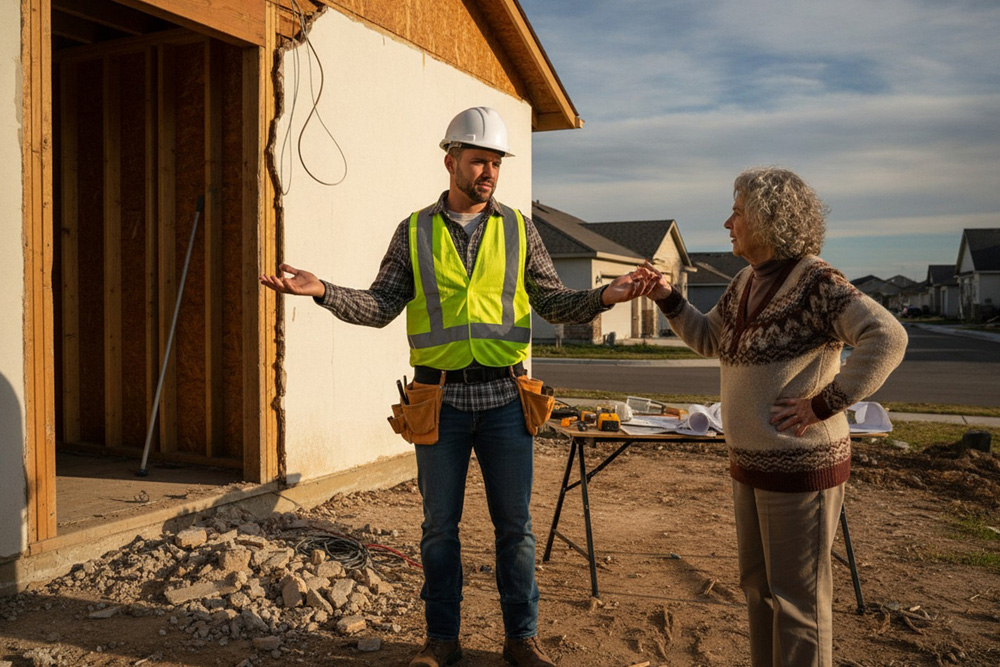
Building fraud is bigger than just a cowboy builder doing a bad job. We’re talking about people who lie on purpose: fake qualifications, made-up accreditations, bills for work that was never done or materials that were never used, and in the worst cases, a deliberate...
by Arf Investigators | Jun 30, 2026 | News
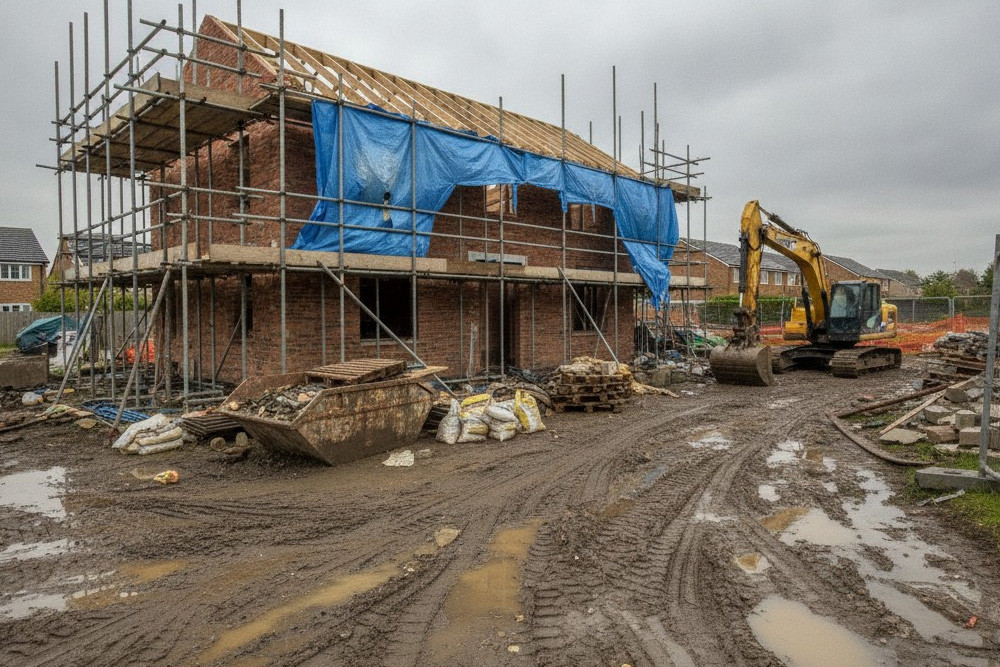
A rogue tradesperson who has taken your money and become uncontactable is not as untraceable as they might think. Most of them have registered vehicles, Companies House filings, a trading history somewhere, or a current business operating under a different name that...

by Arf Investigators | Jun 29, 2026 | News
Many rogue traders operate through limited companies, and the limited company structure is sometimes deliberately used to provide insulation from personal liability when things go wrong. A company that takes deposits, fails to deliver, and is then dissolved or...
by Arf Investigators | Jun 27, 2026 | News
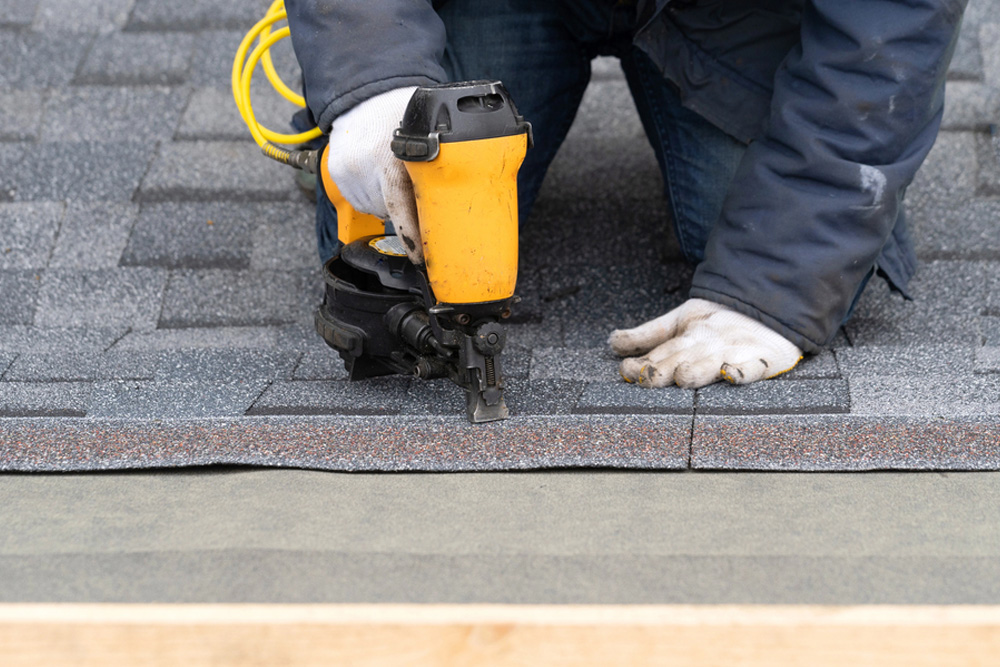
Property repair scams are one of the most consistent categories of consumer fraud in the UK. They are most commonly directed at people who are in a vulnerable position: a storm has damaged the roof, the boiler has broken down in winter, a leak has appeared and is...

by Arf Investigators | Jun 26, 2026 | News
The best time to check a tradesperson’s background is before you engage them, not after something has gone wrong. This article explains the practical steps for verifying a contractor before you pay any money, what you should check and where to look, and what the...

by Arf Investigators | Jun 24, 2026 | News
Online reviews have become one of the primary ways householders decide which tradespeople to trust. A business with dozens of five-star reviews on Google, Trustpilot, or Checkatrade appears to have a track record that justifies confidence. But review manipulation is...
by Arf Investigators | Jun 23, 2026 | News
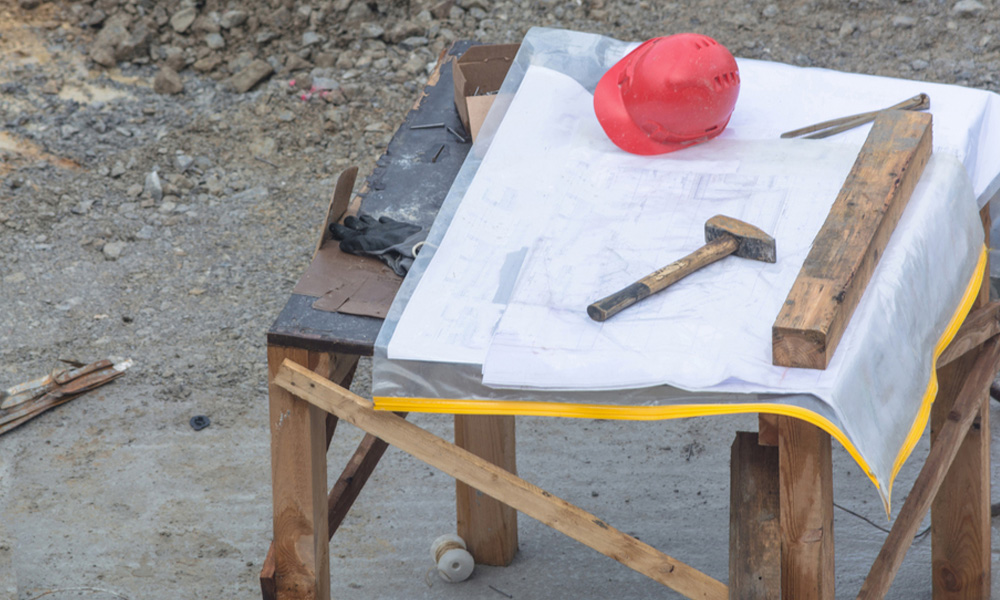
The deposit disappearance scam is one of the most common forms of contractor fraud. A builder quotes for significant work, requests a substantial deposit to secure the start date and purchase materials, and then either fails to start at all or starts briefly before...
by Arf Investigators | Jun 22, 2026 | News
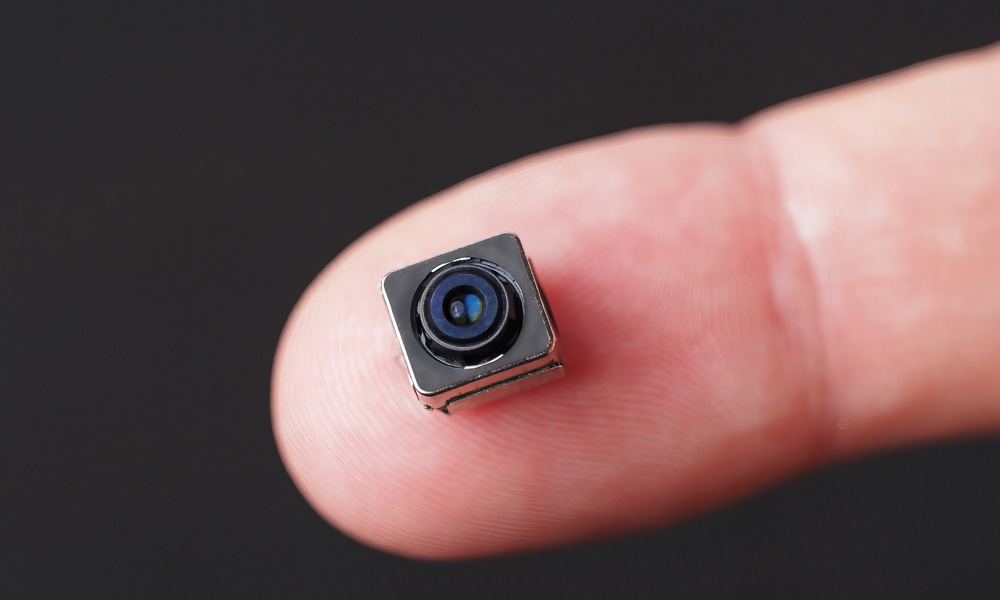
I get asked this a lot, usually by someone who’s either found something they shouldn’t have, or is thinking about buying something they probably shouldn’t use. So let’s clear it up: yes, you can walk into a shop or go online right now and buy a listening bug, a hidden...
by Arf Investigators | Jun 21, 2026 | News
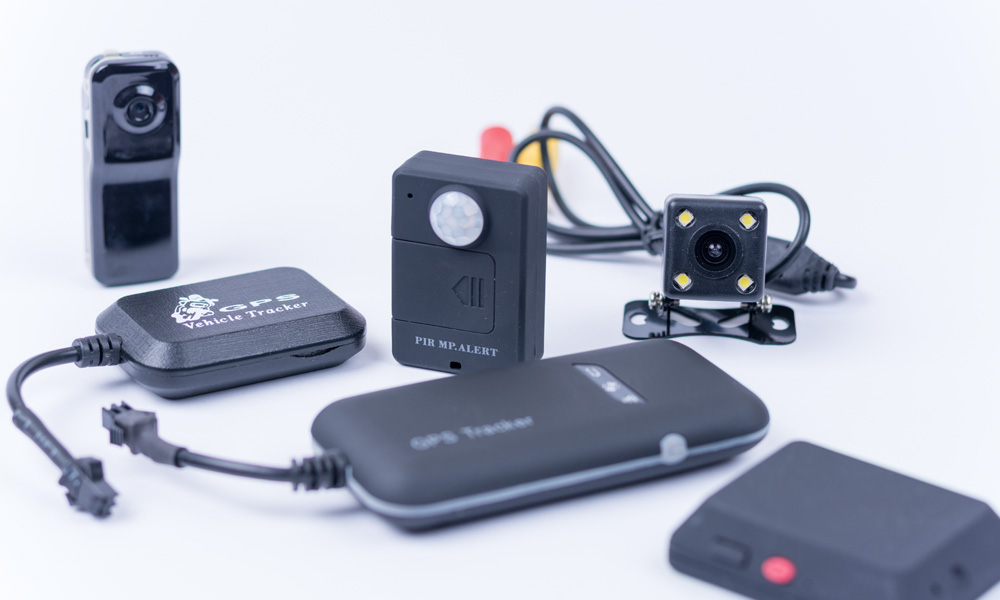
GPS tracking devices attached to vehicles without the owner’s knowledge are one of the most common forms of covert surveillance we find in our work. They are small, relatively inexpensive, and can be attached magnetically to any metal surface under or around a vehicle...
by Arf Investigators | Jun 19, 2026 | News
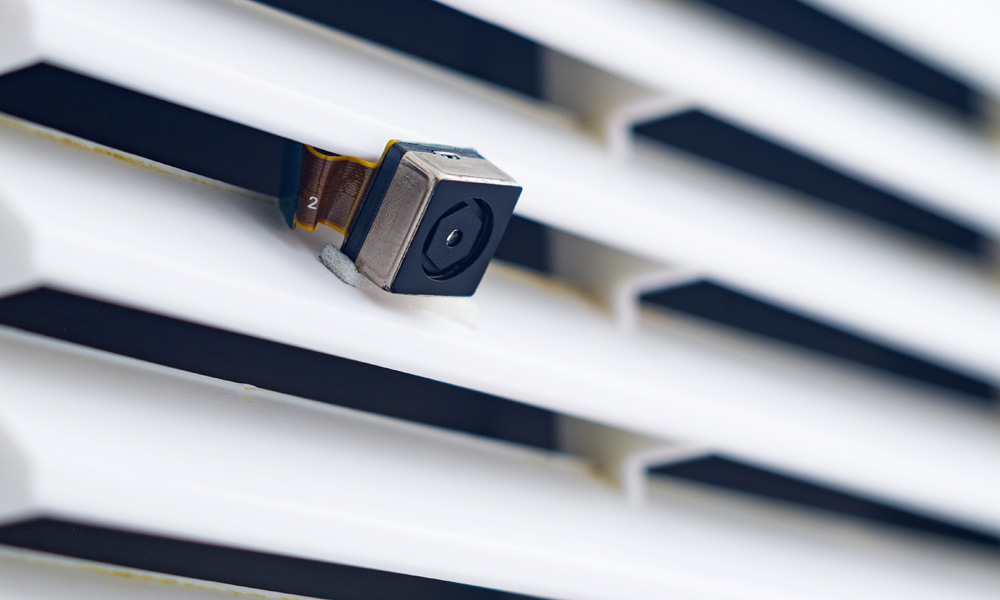
Hidden cameras in rental properties and holiday lets have become an increasingly reported concern in the UK, driven partly by the growth of short-term rental platforms and partly by the falling cost and increasing miniaturisation of consumer-grade recording equipment....

by Arf Investigators | Jun 18, 2026 | News
The concern that private conversations are being overheard is one that people in a range of difficult circumstances experience: a relationship breakdown where trust has completely eroded, a custody dispute where one party seems to know too much about private...

by Arf Investigators | Jun 17, 2026 | News
One of the questions we are most frequently asked is what separates a professional bug sweep from checking a property with a consumer device bought online. The honest answer is: the equipment, the calibration, the training to interpret the results, and the...

by Arf Investigators | Jun 17, 2026 | News
The concealment of a surveillance device depends on two requirements: access to the location and the ability to place an object or modify an existing one without the discovery being obvious. In a residential property, both of these conditions can be met in a...

by Arf Investigators | Jun 17, 2026 | News
The short answer is yes, and more easily than most people realise. A smartphone with certain applications installed can silently record audio through its microphone, transmit that audio to a remote receiver, report location in real time, forward copies of messages and...

by Arf Investigators | Jun 15, 2026 | News
Finding a hidden camera in your home, in a rental property, or in any other space where you expected privacy is a shocking and distressing experience. The immediate impulse is often to remove it, destroy it, or confront whoever placed it. Acting on any of these...
by Arf Investigators | Jun 14, 2026 | News
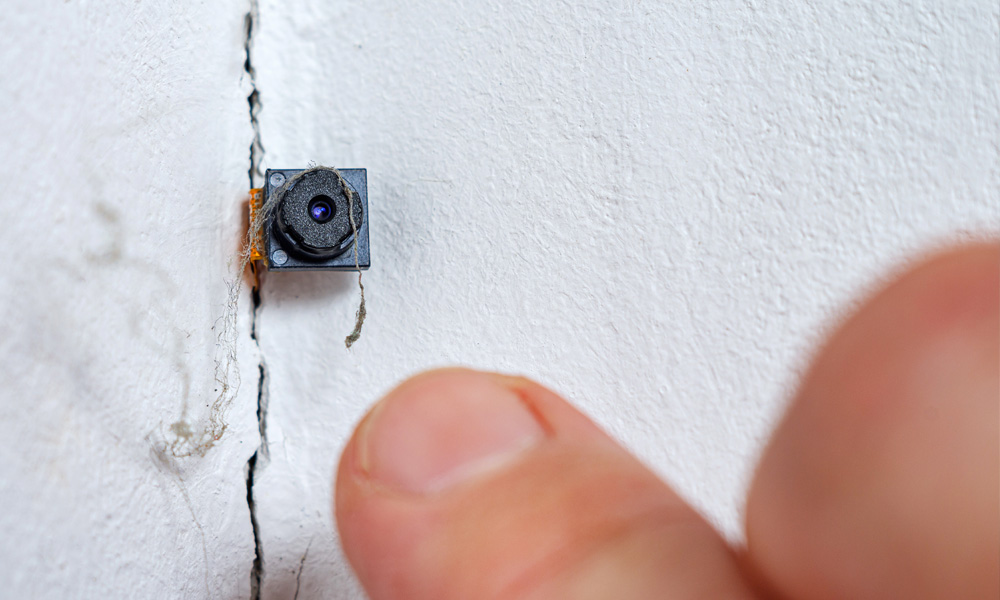
The suspicion that your home may be under surveillance is an unsettling one, and it is not always easy to know whether the signs you are noticing represent a genuine concern or the product of anxiety in a difficult situation. This article explains the most common...
by Arf Investigators | Jun 12, 2026 | News
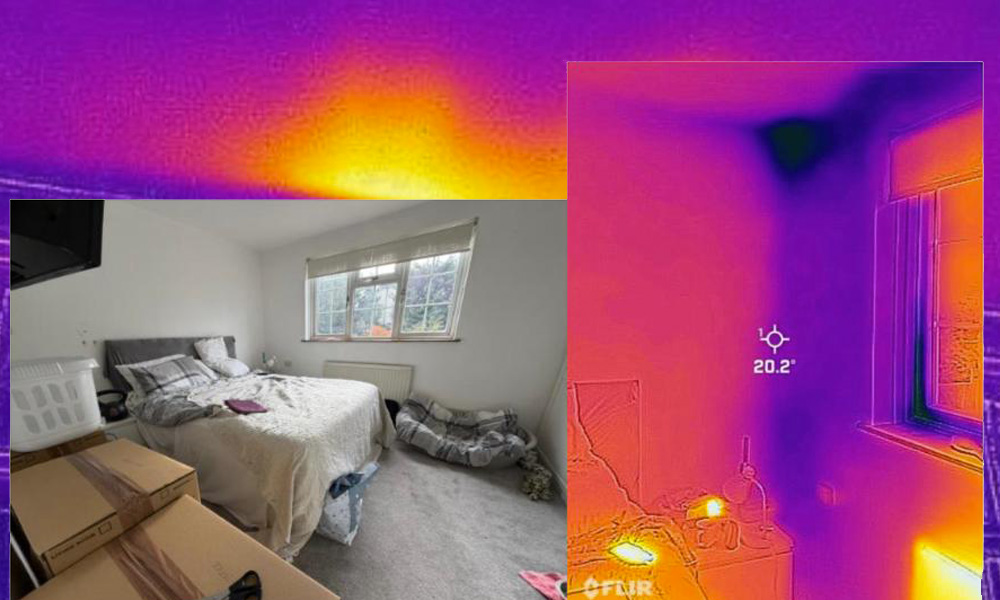
The time a professional bug sweep takes depends primarily on the size of the property and the scope of the sweep. This article gives you a realistic picture of the timescales for different types of sweep, so you can plan accordingly when you instruct us. Residential...
by Arf Investigators | Jun 12, 2026 | News
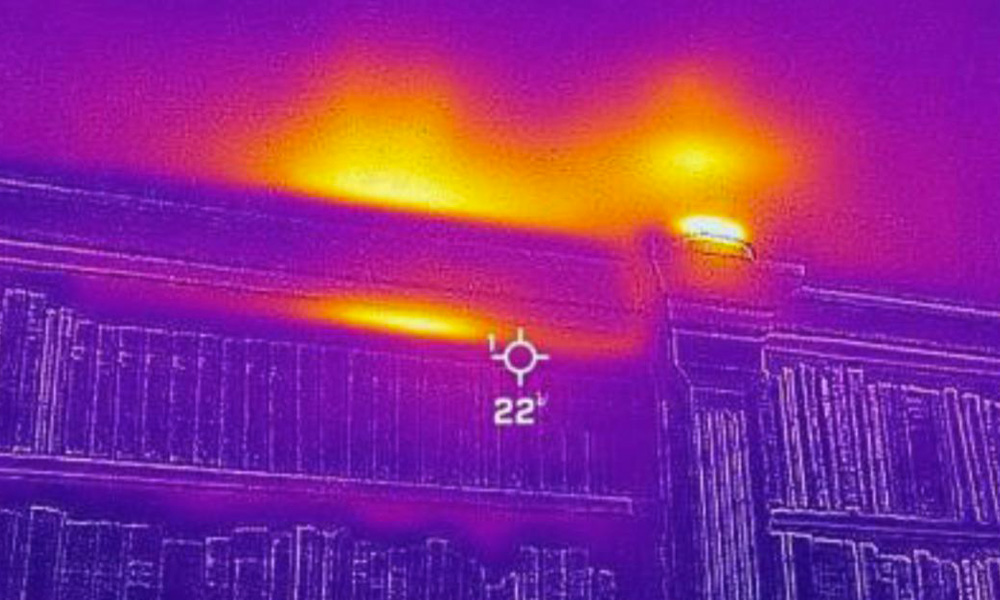
Hidden cameras have become smaller, cheaper, and more widely available than ever before. A functional camera capable of recording video at reasonable resolution can be concealed within almost any household object — a smoke detector, a plug adapter, a clock, a picture...
by Arf Investigators | Jun 10, 2026 | News
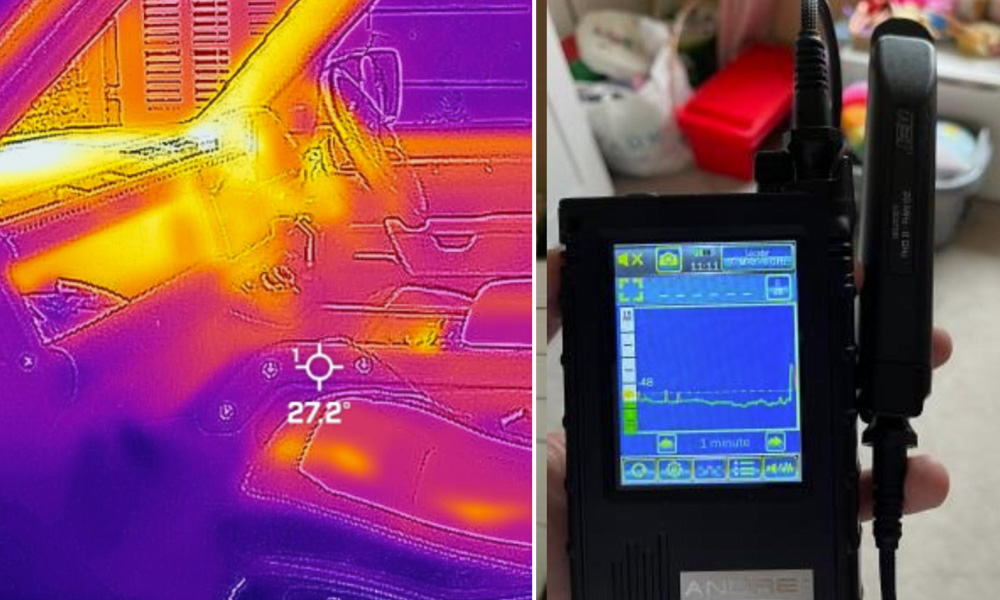
A professional bug sweep — known in the security industry as a Technical Surveillance Countermeasures (TSCM) inspection — is a systematic, methodical examination of a property, vehicle, or device for the presence of covert surveillance equipment. This article explains...