
Property repair scams are one of the most consistent categories of consumer fraud in the UK. They are most commonly directed at people who are in a vulnerable position: a storm has damaged the roof, the boiler has broken down in winter, a leak has appeared and is getting worse. The urgency of the situation is exploited by a contractor who appears at exactly the right moment, offers to fix the problem immediately, and extracts significant payment for work that is unnecessary, substandard, or never done.
Common Property Repair Scams
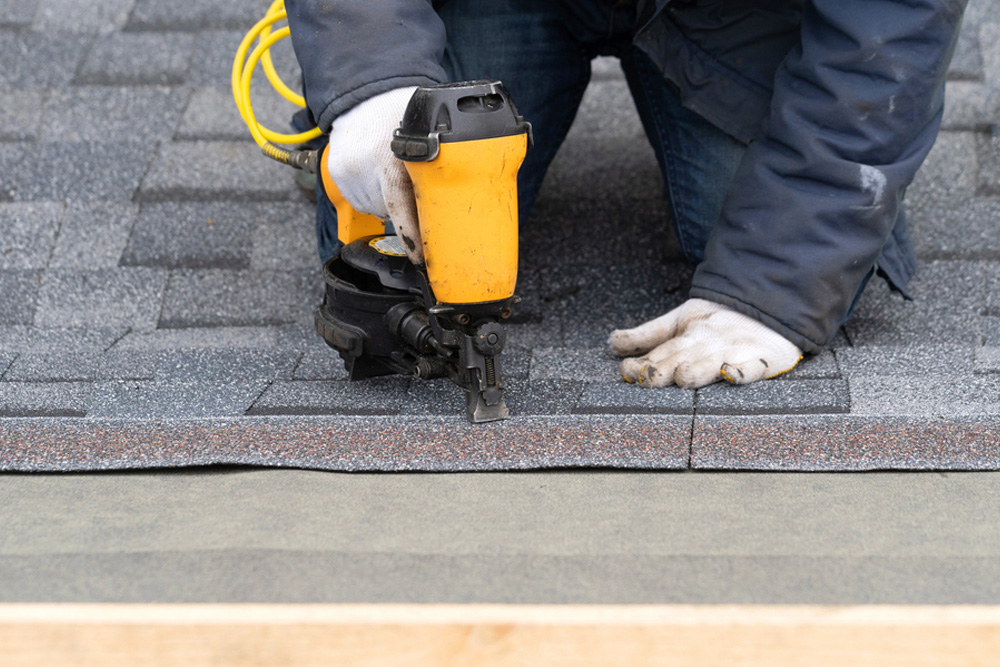
Roof scams: arguably the most common property repair scam. A contractor — often having done a circuit of the neighbourhood after a storm — knocks at the door and tells the homeowner that they have noticed damage to the roof. The damage may be real, exaggerated, or entirely fabricated. The contractor offers to fix it immediately. The work done, if any, is superficial or creates new problems. The amount charged bears no relation to the work actually required.
Damp and subsidence scams: a contractor identifies what they claim is serious damp or subsidence requiring urgent and expensive treatment. The diagnosis may be deliberately exaggerated, and the treatment — if provided — may be ineffective or counterproductive.
Driveway and paving scams: contractors approach with leftover materials from a nearby job, offering to resurface a driveway at a special price because the materials are already available. The work is typically poor quality and the price, which initially sounds reasonable, escalates through additional demands.
Boiler and heating scams: contractors who identify safety concerns with a boiler or heating system that require immediate attention, often using threat of danger to create urgency. A second opinion from a registered Gas Safe engineer frequently reveals that the problem is minor or non-existent.
Tree surgery scams: cold-call tree surgeons who identify trees as dangerous and requiring immediate attention. Prices for tree work are difficult for most householders to assess, and the work itself, if done, may be unnecessary or may damage the trees.
Warning Signs
- Cold calling at the door or telephone, rather than the homeowner seeking the contractor.
- Urgency: the work must be done now, the price is only available today.
- Requests for cash payment.
- No written quote or a quote produced and signed on the spot under pressure.
- Refusal to provide references or time to check credentials.
- Prices that seem surprisingly reasonable at the outset but escalate rapidly once work has begun.
If You Have Already Been Scammed
If you have paid a contractor for property repair work that was unnecessary, substandard, or not done, you have several routes available. A civil claim through the small claims court is accessible and does not require legal representation for claims up to £10,000. A report to trading standards is appropriate for dishonest trading practices. Action Fraud should be contacted where deliberate fraud is suspected.
Before pursuing any of these routes, gathering and organising your evidence is important, and establishing who you are actually dealing with — their real name, their real business, their current whereabouts — is often the first practical challenge. Professional investigation can provide both.
Victim of a property repair scam? Contact ARF Private Investigators for investigation and evidence gathering support.