
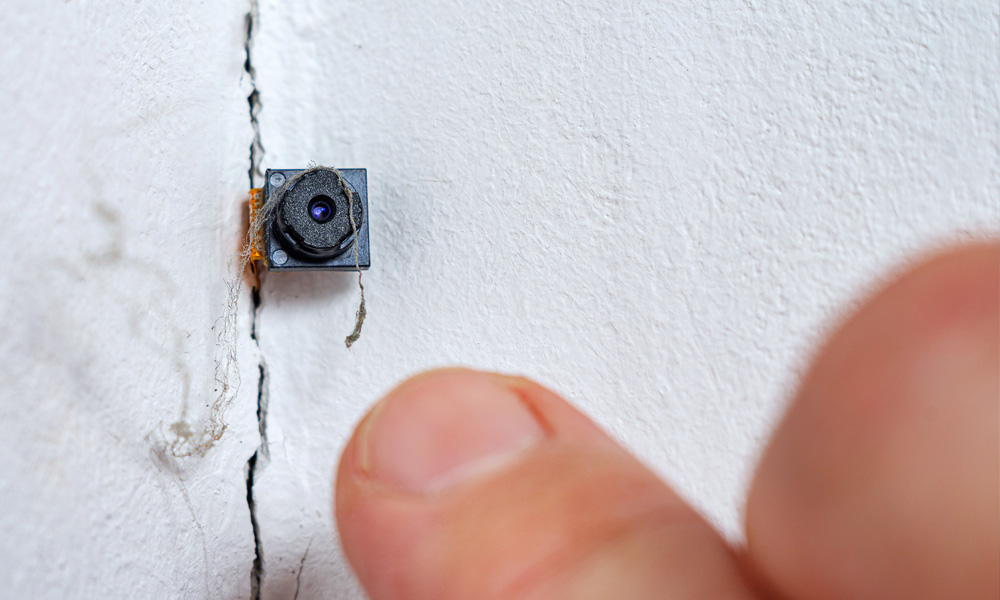
The suspicion that your home may be under surveillance is an unsettling one, and it is not always easy to know whether the signs you are noticing represent a genuine concern or the product of anxiety in a difficult situation. This article explains the most common indicators that a property may contain surveillance devices, what those indicators mean, and what to do if you think your concern is founded.
We want to be honest at the outset: most of the signs described here are not conclusive evidence of a bug on their own. They are indicators that, taken together or in context, provide a reasonable basis for concern and for professional investigation.
Physical Signs
Objects that have been moved or disturbed: small objects — ornaments, books, electrical items — that are not in the position you left them, particularly if they are positioned to face a specific area of the room. A device concealed in an object needs to be placed with the microphone or lens oriented toward where people are likely to be.
New objects that you cannot account for: an item that has appeared in your home that you do not remember buying or being given, particularly if it is electrical — a charger, a USB hub, a small clock, a smoke detector that differs from the others — is one of the most common presentations of a covert device.
Damage to or changes around electrical fittings: plug sockets, light switches, or electrical fittings that show signs of having been recently opened, that are slightly out of alignment, or that have visible scratches or marks around the fixings consistent with a tool having been used.
Changes to the Wi-Fi network: unknown devices appearing on your home network, a network that seems slower than usual, or a router that has been repositioned or accessed without your knowledge.
Behavioural Signs
Sometimes the indication that a property may be bugged comes not from what you see in the property but from how another person is behaving. A person who appears to know the content of private conversations that took place in your home, who reacts to things you have not told them, or who makes references to discussions they could only have heard if they were listening, is providing a significant indicator that surveillance of some kind may be in place.
Similarly, a pattern in which specific private conversations — discussions about legal proceedings, financial arrangements, custody, or other sensitive matters — seem to reach someone they should not have reached may indicate that the space in which those conversations took place is compromised.
Technical Signs
Some covert devices can be detected through the effects they have on nearby electronics. Radio frequency transmitters in particular can occasionally cause interference in AM radios, produce static or unusual sounds in phone calls made in their vicinity, or cause televisions or radios to produce anomalous signals. These effects are not present with all devices, and their absence does not mean a space is clean, but their presence can be a useful indicator.
Unexplained battery drain on a smartphone, or a phone that runs warm when it is not being actively used, can sometimes indicate the presence of monitoring software that is running processes in the background. This is not diagnostic on its own, but it is worth noting in context.
What to Do If You Are Concerned
The most important things to avoid doing if you are concerned your home may be bugged are: searching for devices yourself without specialist equipment, discussing your concerns out loud in the space you suspect is compromised, and disturbing any object you think might contain a device.
Amateur searches for surveillance devices using consumer-grade RF detectors produce unreliable results and can alert whoever placed the device that they have been noticed. Professional sweeps use equipment and methodology that produce reliable findings without alerting anyone monitoring a device.
Until a professional sweep has been conducted, treat the space as if it is being monitored. Any conversations you do not want overheard should take place elsewhere.
If you are concerned your home may be bugged, contact ARF Private Investigators for a confidential bug sweep consultation.