
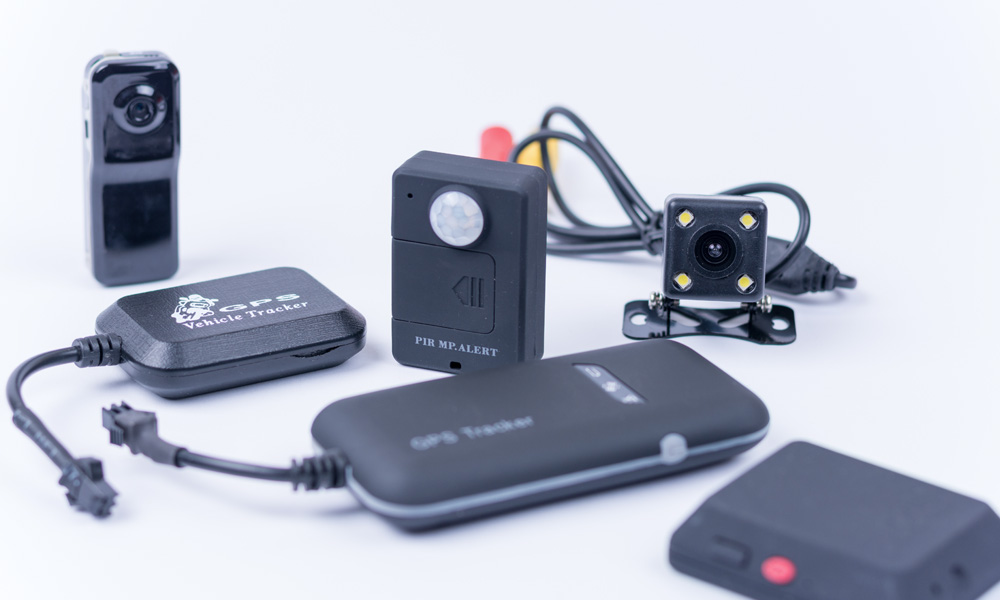
GPS tracking devices attached to vehicles without the owner’s knowledge are one of the most common forms of covert surveillance we find in our work. They are small, relatively inexpensive, and can be attached magnetically to any metal surface under or around a vehicle in a matter of seconds. A device hidden under a wheel arch, behind a bumper, or attached to the underside of the vehicle can report the vehicle’s location in real time to anyone with the associated app or receiver.
Vehicle GPS tracking is most frequently instructed in relationship breakdown and custody dispute situations, where one party wants to monitor the other’s movements. It is also encountered in stalking cases. In most circumstances, placing a GPS tracker on a vehicle you do not own is unlawful, and the discovery of such a device is a serious matter.
How GPS Trackers Are Hidden
Consumer-grade GPS trackers are specifically designed to be concealable. Most are small enough to fit in the palm of a hand, have powerful magnetic mounts, and are powered by internal batteries that can last weeks or months on a single charge. The most common hiding locations are:
- Under wheel arches, where a magnetic mount attaches to the inner surface of the arch.
- Behind front and rear bumpers, which on most modern vehicles have sections that are not visible without crouching.
- On the underside of the vehicle frame, attached to any flat metal surface.
- Inside the vehicle, in the OBD port (the diagnostic plug found under most dashboards) where hardwired trackers can draw power from the vehicle’s electrical system.
- Behind tow bars or in trailer sockets.
- In spare tyre wells or under boot liners.
Can You Find a Tracker Yourself?
A physical inspection of a vehicle can locate some GPS trackers, particularly those that are visibly accessible. Crouching and using a torch to examine the underside of the vehicle, the wheel arches, and the bumpers will find a poorly concealed device. But a tracker placed with care — attached to the inner surface of a frame member, tucked behind a component, or hardwired into the OBD port — will not be visible to the naked eye.
Professional vehicle sweeps use a combination of physical inspection with inspection mirrors and scopes, RF detection (many GPS trackers transmit location data at regular intervals, producing a detectable signal), and specialist detection equipment designed specifically for locating concealed electronic devices on vehicles. The professional sweep is significantly more reliable than self-inspection.
What to Do If a Tracker Is Found
If a GPS tracking device is found on your vehicle, the first question is whether removing it immediately is the right course of action. In some cases, leaving the device in place while you take legal advice — and while the police are notified — preserves the evidence and may allow the person monitoring it to be identified.
Do not destroy the device. It is potential evidence of a criminal offence. Contact us and we will advise you on the appropriate next steps given your specific circumstances.
Is Placing a GPS Tracker on Someone’s Vehicle Illegal?
In most circumstances, yes. Placing a GPS tracker on a vehicle you do not own, or do not jointly own, without the owner’s knowledge and consent can constitute stalking or harassment under the Protection from Harassment Act 1997. It also raises significant data protection issues under UK GDPR. Even on a jointly owned vehicle, covert tracking without consent can engage stalking legislation if it causes alarm or distress.
This is addressed in more detail in the GPS Tracking Laws in the UK article and the Are Spy Devices Legal in the UK? article in this series.
Concerned a GPS tracker may have been placed on your vehicle? Contact ARF Private Investigators for a professional vehicle sweep.