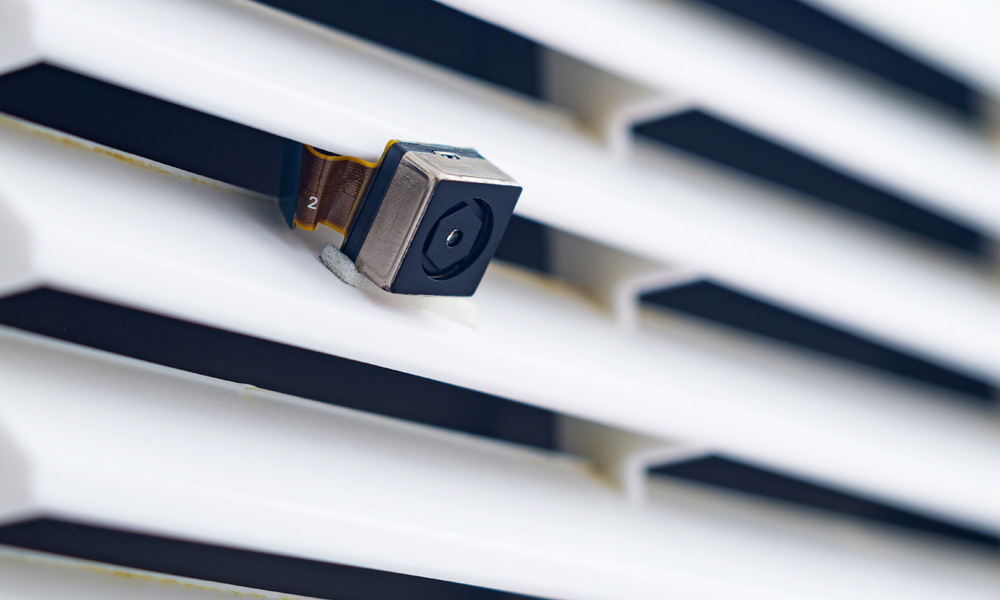
Hidden cameras in rental properties and holiday lets have become an increasingly reported concern in the UK, driven partly by the growth of short-term rental platforms and partly by the falling cost and increasing miniaturisation of consumer-grade recording equipment. A device that would have required specialist knowledge and significant expense a decade ago can now be purchased for tens of pounds and concealed in any number of everyday household objects.
The legal position in the UK is clear: placing a hidden camera in a rental property to record guests without their knowledge or consent is unlawful. It may constitute a criminal offence under the Voyeurism (Offences) Act 2019 where the recording is sexual in nature, and it engages the UK GDPR where it involves the systematic processing of personal data. But knowing that something is unlawful and knowing whether it is happening in the specific property you are staying in are different things.
Where Hidden Cameras Are Most Commonly Found
In rental properties, hidden cameras are most commonly found in:
- Smoke detectors — particularly those that are slightly different in appearance from standard models, positioned with a direct line of sight into the main living area or bedroom.
- Clock radios, digital alarm clocks, and bedside charging units — objects that justify their position on a bedside table and that have a natural forward-facing orientation.
- USB chargers and plug-in adapters — small, unobtrusive, and placed at sockets that have a view of the room.
- Picture frames and decorative objects — particularly where the object faces outward rather than being displayed at an angle.
- Air fresheners, plants, and everyday objects — the miniaturisation of camera technology means that almost any object can potentially conceal one.
- Wi-Fi routers and smart home devices — devices that justify their presence by serving an apparent legitimate function while also incorporating a camera.
How to Check a Rental Property
There are steps you can take yourself when checking into a rental property, and there are limits to what those steps can reliably achieve.
Physical inspection: check all objects in bedrooms and bathrooms that you cannot account for or that seem out of place. Look for small holes, lenses, or any object that seems positioned to face the bed or seating area. Check smoke detectors for anything that looks different from a standard unit.
Network check: connect to the property’s Wi-Fi network and use a network scanning application to identify all devices connected to it. Any device you cannot identify should be noted.
RF detection: basic consumer RF detectors can identify transmitting devices, though they produce false positives from other legitimate radio frequency sources and will not detect cameras that record to local storage rather than transmitting.
Lens detection: specialised lens detection tools emit an infrared beam and detect the reflection from camera lenses. These can identify cameras concealed in objects even where no RF transmission is occurring.
The limitation of self-conducted checks is that consumer equipment is not as sensitive or as reliable as professional-grade detection equipment, and without training in where to look and what to look for, significant devices can be missed. Where the concern is serious — a property where you will be staying for an extended period, or where there are particular reasons to be concerned about the host — a professional sweep is the most reliable approach.
What to Do If You Find a Camera
If you find a device that you believe is a hidden camera in a rental property, the most important things are: do not touch or move it; photograph it in situ without disturbing it; leave the property if you can and report the finding to the police immediately; and report it to the rental platform.
A hidden camera found in a bedroom or bathroom is potentially a criminal offence, and the police should be the first call. The platform should be informed secondarily. We address the full process in the What to Do If You Find a Hidden Camera article in this series.
Concerned about hidden cameras in a property? Contact ARF Private Investigators to discuss a professional sweep.