
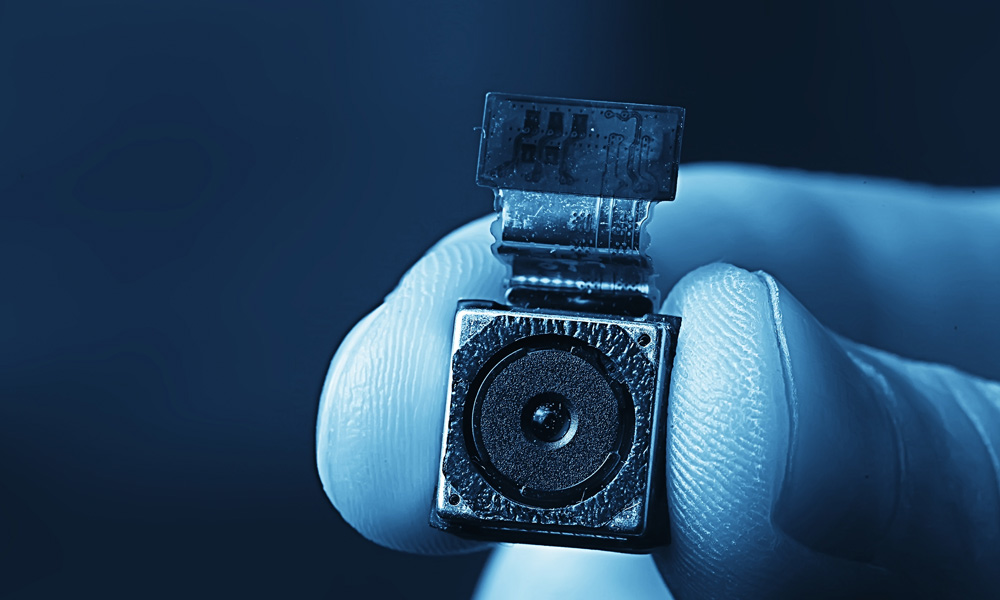
Finding a hidden camera in your home, in a rental property, or in any other space where you expected privacy is a shocking and distressing experience. The immediate impulse is often to remove it, destroy it, or confront whoever placed it. Acting on any of these impulses without thought can harm your legal position, destroy evidence, and reduce the prospect of any action against the person responsible.
This article explains, step by step, what you should and should not do if you find a hidden camera.
Step One: Do Not Touch It
The single most important rule is: do not touch or move the device. A hidden camera is potential evidence of a criminal offence — voyeurism under the Voyeurism (Offences) Act 2019, or potentially stalking or harassment. The device, in its original position, is the evidence. Moving it, removing it, or handling it without care can compromise fingerprint evidence on the device, alter its position (which is itself evidentially significant), and in some cases alert the person monitoring it that it has been found.
Leave the device exactly where it is and in the state in which you found it.
Step Two: Photograph It
Before doing anything else, photograph the device in situ. Take multiple photographs from different angles, including photographs that show the device’s position in relation to the room and that make clear where it was concealed and what it was oriented toward. These photographs are evidence and should be stored safely, preferably in more than one place.
Step Three: Leave the Area
If you are in a rental property or any location you do not control, leave the space. Do not continue to use the property as normal while the device remains in place. If the camera is live and transmitting, everything that happens in the space from the moment of discovery onwards continues to be recorded. Leave the property and do not return until the matter has been addressed.
If you are in your own home and the device has been placed by someone with access to your property, you have more control over the situation, but the same principle applies: avoid the space until you have taken advice on how to proceed.
Step Four: Contact the Police
A hidden camera in a private space — particularly a bedroom or bathroom — is a potential criminal offence. Contact the police and report the finding, describing where you found the device and providing the photographs you have taken. Do not move or hand over the device to the police yourself; ask them to attend and recover it.
In a rental property, the police response may include contacting the platform or the host, seizing the device for forensic examination, and in appropriate cases arresting the host. In a domestic property, the police response will depend on the circumstances and any information you can provide about who may have placed the device.
Step Five: Report to the Platform
Where the device has been found in a holiday let or short-term rental, report it to the platform immediately after contacting the police. Major rental platforms have policies prohibiting undisclosed cameras and procedures for handling reports. Your report will trigger those procedures and may prevent other guests from being affected.
Step Six: Seek Professional Support
Where the discovery of a camera is part of a broader concern about surveillance — you suspect there may be other devices in the property, or that other forms of surveillance such as audio bugs or GPS trackers may also be in play — a professional bug sweep of the full property is the appropriate next step. A single found device is not necessarily the only device.
Contact ARF Private Investigators and we can advise on the sweep required given the specific circumstances. We work around the police investigation where that is in progress, and we can produce a professional report of any additional devices found that supports your legal case.
What About Removing the Device?
Once the police have attended and the device has been documented and considered as evidence, the question of what to do with it can be addressed with advice from the police and from a solicitor. In some circumstances, removing the device and continuing to use the space normally is appropriate. In others, leaving the device in place while further investigation proceeds is more useful.
Do not make this decision without advice. The device’s continued presence may be more useful to your legal case than its removal.
Found a surveillance device, or concerned there may be others? Contact ARF Private Investigators for urgent, confidential support.