
Technical Surveillance Countermeasures is the formal discipline underlying every corporate bug sweep, and understanding its methodology in full — the equipment used, the sequence followed, and the analytical judgement applied at each stage — is the clearest way to assess whether a proposed engagement is genuinely fit for purpose or merely a cursory check dressed up in technical language. This article is intended as the definitive reference for how TSCM actually works.
RF Detection
Radio frequency detection is the foundation of any TSCM sweep, because the largest category of surveillance device — audio and video transmitters, GSM-based bugs, wireless cameras — emits a detectable signal. Professional RF detection equipment covers a substantially broader frequency range than consumer equipment, extending from the low frequencies used by older or simpler devices through to the multi-gigahertz ranges used by modern Wi-Fi and cellular-connected devices.
The critical skill in RF detection is not the equipment but the operator’s ability to distinguish a genuine threat signal from the dense background of legitimate RF activity present in any modern office: Wi-Fi access points, Bluetooth devices, mobile phones, smart building systems, and wireless presentation equipment all generate signals that an untrained operator, or unsophisticated equipment, will flag indiscriminately. A trained TSCM analyst characterises and rules out this background activity systematically before treating any remaining signal as worthy of further investigation.
Non-Linear Junction Detection
Non-linear junction detection (NLJD) addresses the category of device that RF detection cannot reach: devices that are not currently transmitting, either because they record to local storage or because they are deliberately powered down between active periods. NLJD equipment emits a signal that interacts distinctively with semiconductor components — the electronic building blocks present in any device, transmitting or not — and detects the characteristic return signal, revealing concealed electronics regardless of their operational state.
NLJD is applied systematically across walls, furniture, fittings, and any object capable of concealing a device, and is one of the few techniques capable of detecting a sophisticated, professionally installed device that has been specifically designed to defeat RF detection.
Thermal Imaging
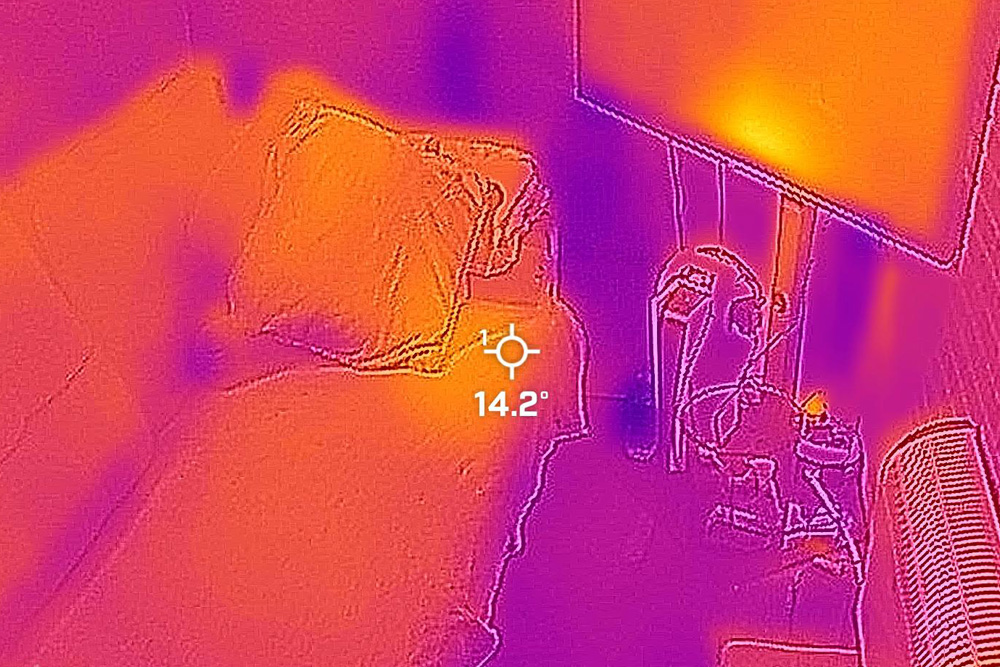
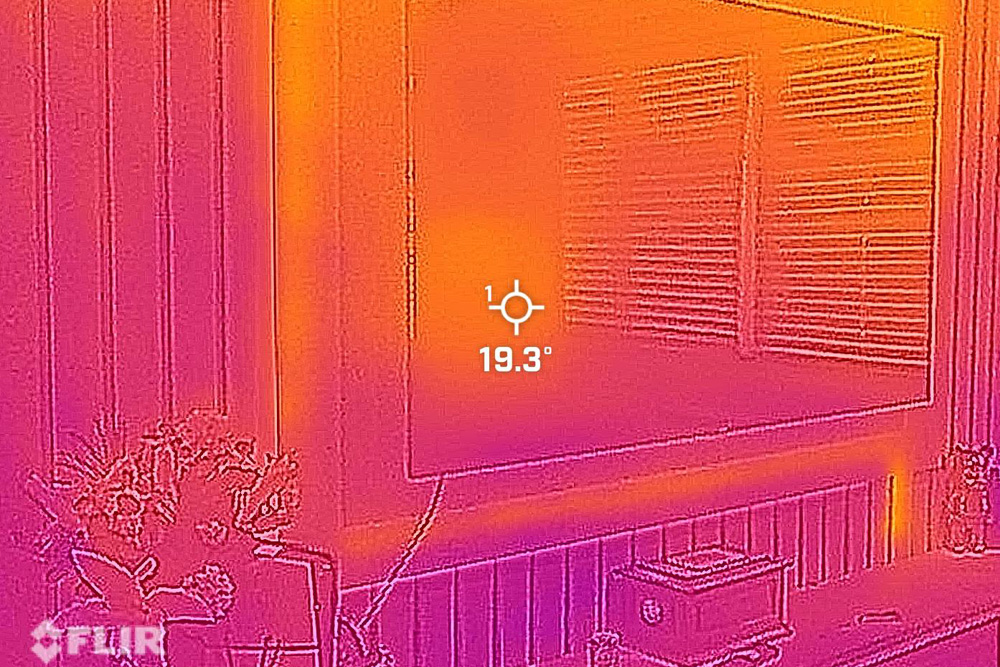
Thermal imaging detects the heat signature generated by any continuously powered electronic device, including those concealed within walls, furniture, or fittings where direct physical or NLJD inspection is impractical or where additional confirmation is valuable. A device drawing continuous power — whether transmitting or simply running — generates a detectable heat signature distinguishable from its surroundings under thermal imaging, making this a valuable complementary technique, particularly for confirming or further investigating an area flagged by RF or NLJD methods.
Spectrum Analysis
Where RF detection identifies a signal requiring further characterisation, spectrum analysis provides a detailed view of the full RF environment across a defined frequency range, allowing a trained analyst to identify, characterise, and distinguish every signal present rather than relying on a simple threshold alert. This is particularly valuable in RF-dense corporate environments where a basic detector would struggle to isolate a genuine threat signal from extensive legitimate activity, and is a standard component of higher-tier corporate TSCM engagements.
Physical Inspection
No equipment-based technique substitutes for a thorough, trained physical inspection: examining power sockets, light fittings, smoke detectors, telecommunications equipment, furniture, and any object capable of concealing a device for visual or tactile evidence of tampering, modification, or unauthorised installation. Physical inspection also extends to a review of access records, recent maintenance activity, and any items recently introduced to the space — gifts, new furniture, equipment following a refurbishment — that warrant specific attention based on the intelligence-led approach addressed below.
Bringing the Techniques Together
No single technique listed above is sufficient on its own. A credible TSCM engagement applies RF detection, NLJD, and physical inspection as a baseline across every sweep, supplemented by thermal imaging, spectrum analysis, and network analysis where the risk profile, the specific concern, or the sensitivity of the space justifies the additional time and cost. The sequencing matters too: RF detection and physical inspection typically proceed in parallel as the initial pass, with NLJD and any specialist techniques applied to confirm findings and to address the categories of device that the initial pass cannot reach.
A sweep that relies solely on RF detection, however thoroughly conducted, will miss the entire category of non-transmitting devices. This is the single most common shortfall we identify when reviewing the adequacy of a previous, less rigorous sweep conducted by another provider.
Want to understand the TSCM methodology behind a proposed sweep? Contact ARF Private Detectives for a transparent, technically rigorous consultation. If you believe you there are looming threats to your business that go beyond a bug sweep, you can discuss these with our Corporate Investigations team. They will be able to advise straticially on the best course of action and provide resources to eliminate those threats.