
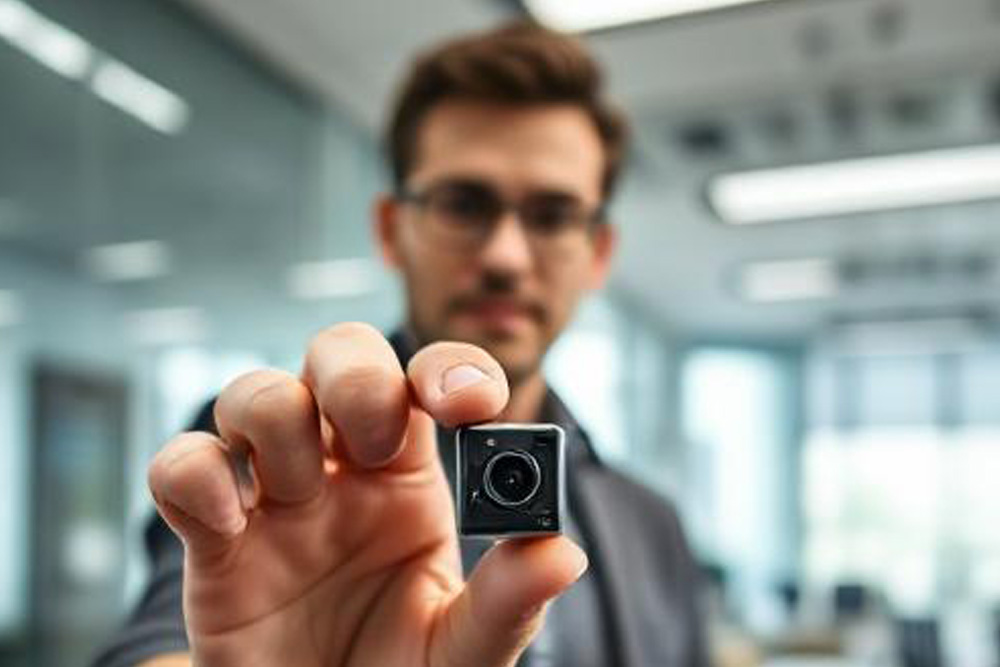
A corporate bug sweep — properly termed a Technical Surveillance Countermeasures (TSCM) inspection — is a systematic examination of premises, vehicles, and communications equipment to detect covert surveillance devices and identify vulnerabilities that could be exploited to compromise confidential information. It is a discipline that has moved from the margins of corporate security into the mainstream toolkit of organisations that handle commercially sensitive information, and for good reason: the cost of a single leaked negotiation, a compromised board discussion, or an intercepted legal strategy session can run into millions, while the cost of a professional sweep is a comparatively modest line item.
This article sets out what a corporate bug sweep involves, what it can detect, who genuinely needs the service, and what a properly conducted engagement looks like from instruction to report.
What Is a Corporate Bug Sweep?
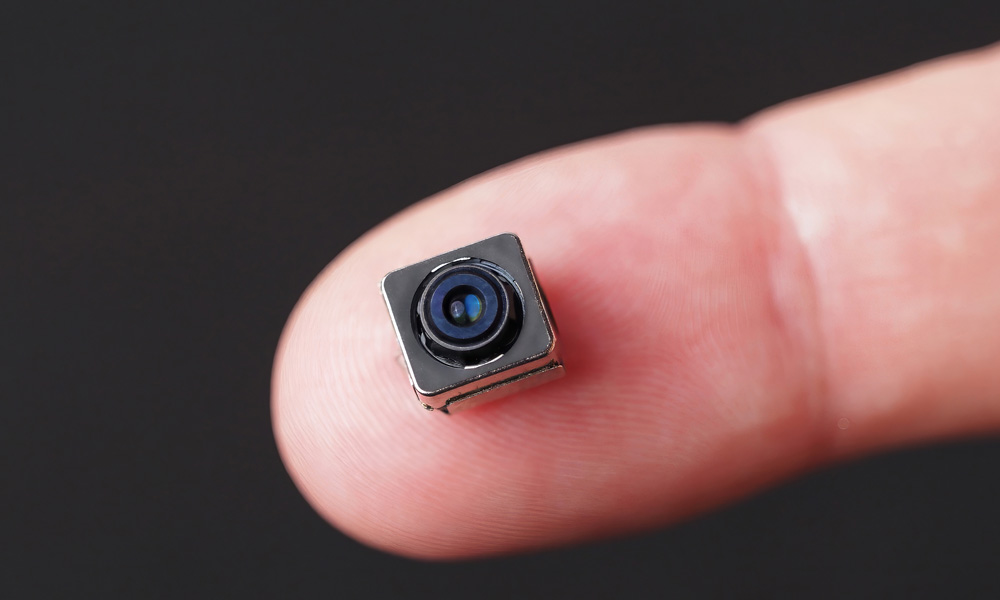
A corporate bug sweep is a structured, equipment-led inspection of an office, boardroom, vehicle, or other commercial space, conducted by trained TSCM specialists, to identify covert listening devices, hidden cameras, GPS trackers, and other technical surveillance equipment, and to assess the wider vulnerability of the space to interception.
The discipline draws on a combination of radio frequency detection, non-linear junction detection, physical inspection, network analysis, and in more advanced engagements, spectrum analysis and thermal imaging. No single technique is sufficient on its own; a credible sweep applies several in combination, because different categories of device — transmitting and non-transmitting, network-connected and standalone — each require a different detection method to find reliably.
A corporate sweep differs from a residential sweep primarily in scale, threat sophistication, and the breadth of what is assessed. Where a residential sweep typically addresses a single property and is concerned principally with consumer-grade devices, a corporate engagement may cover multiple floors, boardrooms, executive offices, telecommunications infrastructure, and vehicle fleets, and must account for the possibility of professional-grade equipment deployed by a sophisticated and well-resourced adversary, including, in some sectors, state-sponsored actors.
What Devices Can Be Detected?
RF transmitting devices: audio and video transmitters that broadcast captured content via radio frequency to a remote receiver. These remain the most commonly deployed device category and are detectable through calibrated RF detection equipment operated by a trained analyst capable of distinguishing a genuine threat signal from the substantial background RF noise present in any modern office — Wi-Fi, Bluetooth, mobile devices, and smart building systems.
Hardwired and locally recording devices: devices that record audio or video to local storage rather than transmitting, requiring physical retrieval by whoever placed them. These produce no RF signature and are detected through non-linear junction detection and physical inspection rather than RF scanning.
GSM and cellular-based devices: devices that use a mobile network SIM to transmit captured audio or video, bypassing the building’s own network and Wi-Fi entirely. These require specific detection techniques distinct from standard Wi-Fi-based device detection.
Network-connected surveillance devices: cameras, microphones, or other devices connected to the building’s own network infrastructure, identified through systematic network analysis rather than RF detection.
GPS and location tracking devices: trackers attached to executive or fleet vehicles, detected through a combination of physical inspection and RF detection where the device is actively transmitting location data.
Compromised telecommunications equipment: telephone systems, conference call equipment, and PBX infrastructure that has been modified or compromised to enable interception, identified through specialist inspection of the telecommunications infrastructure itself.
Who Needs Corporate Bug Sweeping?
The organisations most likely to require corporate TSCM services are those whose commercially sensitive discussions — if intercepted — would produce a material financial, legal, or competitive advantage for whoever obtained them. This includes organisations engaged in M&A activity, litigation and arbitration, sensitive contract negotiation, and any business operating in a sector where competitive intelligence, regulatory exposure, or state-level interest creates a heightened threat profile.
The specific sectors and circumstances most commonly requiring TSCM support are addressed in detail in our dedicated article on who needs corporate TSCM services. As a general principle, the appropriate trigger for considering a sweep is not certainty that a device is present, but a realistic assessment that the information at risk would be valuable enough to a sophisticated adversary to justify the cost and risk of planting one.
How a Professional Sweep Is Conducted
This is a common question posed to our Corporate Investigators. A professional corporate sweep begins with a confidential scoping conversation: what spaces are to be covered, what specific concern (if any) has prompted the engagement, and what level of discretion is required around the fact that a sweep is taking place at all. Engagements are frequently conducted outside business hours or under a plausible operational pretext, specifically to avoid alerting anyone who may be responsible for a device, or whose own conduct may be relevant to the concern.
The sweep itself proceeds through a structured sequence: RF detection across all relevant frequency ranges; non-linear junction detection of walls, furniture, and fittings; physical inspection of fixtures, fittings, and objects with particular attention to power points, telecommunications infrastructure, and furniture supplied by third parties; network analysis of all connected devices; and, in higher-risk engagements, spectrum analysis and thermal imaging targeted at areas of specific concern.
The full methodology, equipment, and sequencing are addressed in our dedicated article on how Technical Surveillance Countermeasures work.
What Happens After a Sweep?
At the conclusion of the engagement, findings are reported directly and confidentially to the instructing principal — typically the General Counsel, Head of Security, or a board-level sponsor rather than a broader internal distribution list. Where a device is found, we advise on preservation, the appropriate point at which to involve law enforcement, and the steps needed to avoid alerting whoever placed it before the organisation has decided how to respond.
Where no device is found, the report sets out precisely what was checked and how, providing the organisation with a documented basis for confidence in the security of the space, and a benchmark against which any future concern can be assessed. Many of our corporate clients build TSCM into a recurring programme — ahead of board meetings, at defined intervals, or triggered by specific events — rather than treating it as a one-off response to a single incident.
Need a professional corporate bug sweep? Contact ARF Private Detectives for confidential TSCM services.