
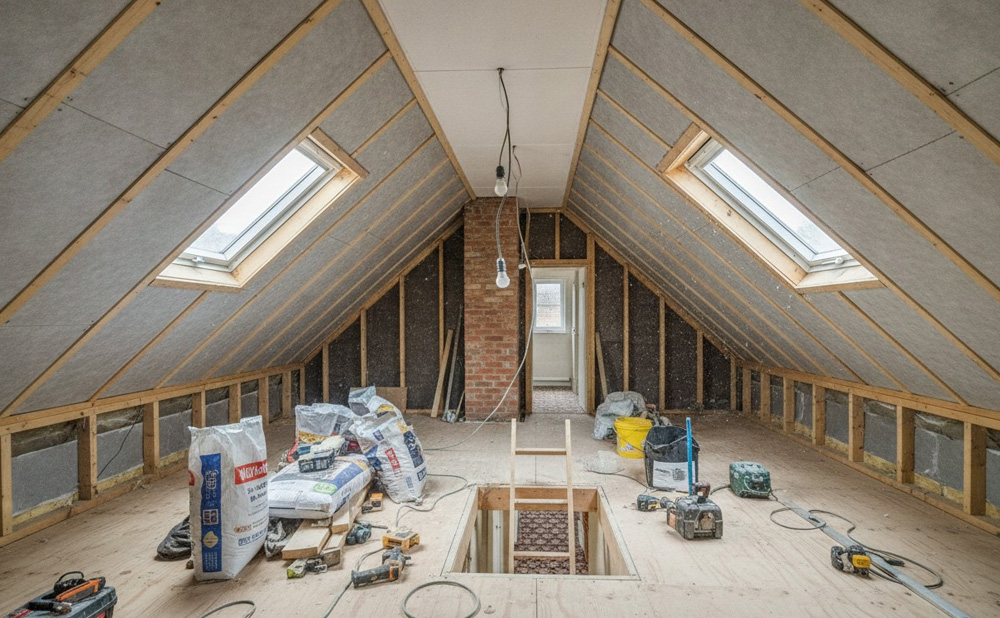
Unfinished building work is a distressingly common situation. The builder who started work on your extension, kitchen, or bathroom has stopped showing up. Calls go unanswered or receive vague excuses. The house is left in a worse state than it was before work started. And the question of what to do next — legally, practically, and evidentially — can feel genuinely overwhelming.
This article explains how to respond effectively to unfinished building work, how to gather the evidence you will need, and what professional investigation can add.
Before You Do Anything Else
Do not engage another contractor to complete or rectify the work until you have:
- Photographed the current state of the work comprehensively.
- Preserved all communications with the original contractor.
- Obtained a written assessment of the work from a qualified professional who can document what has been done, what should have been done, and what it will cost to complete or rectify.
Engaging a second contractor before documenting the existing state removes evidence and may complicate any claim against the first contractor. Courts need to see the evidence of the breach before remediation has begun.
Gathering the Evidence
Photographic documentation: photograph every aspect of the unfinished or defective work. Include photographs that show the overall state of the space, close-up photographs of specific defects, and any damage caused by the unfinished state of the work (water ingress through an exposed roof, for example).
Professional assessment: obtain a written assessment from a qualified tradesperson in the relevant discipline. The assessment should: confirm the state of the work; identify what has been done and what remains incomplete; identify any defects in the completed elements; and provide a cost estimate for completion and rectification.
The original contract and payment records: establish clearly what was agreed and what was paid against that agreement. The gap between what was paid and what was delivered is the core of the financial claim.
Communications: the full history of communications with the contractor, including any explanations they have offered for delays, any promises of return, and any demands for additional payment.
What Happens Next
Once the evidence is assembled, the options depend on whether the contractor is contactable and the value of the dispute. Where the contractor is contactable and the dispute is below £10,000, a formal letter before action from a solicitor — or a well-drafted letter from you — may prompt resolution. Where it does not, a small claims court application is the appropriate next step.
Where the contractor is not contactable, tracing is needed before any formal legal step can be taken. Where the value of the dispute is above £10,000, specialist legal advice is recommended.
At ARF Private Investigators, we assist with evidence gathering, tracing, and the provision of professional investigation reports for unfinished building work disputes at every stage of the process.
Dealing with unfinished building work and need evidence gathering support? Contact ARF Private Investigators.